
Can a Handwritten Will Hold Up in North Carolina?
Have you ever wondered whether writing your final wishes by hand is legally binding? You might have seen it happen in a movie or read about it in a book—someone hastily writes a will on a napkin, and it magically holds up in court without any problems. Real life, however, is a bit more complicated.
While North Carolina recognizes handwritten wills as legal documents, relying on one without legal guidance often leads to confusion, family disputes, and lengthy battles in probate court. An estate planning attorney can often spot gaps in a handwritten will, address potential legal challenges, and set up a rock-solid plan that protects your loved ones.
Based in North Carolina, Palmer Estate Planning has spent years providing comprehensive estate planning services to help its clients protect their assets and loved ones. Attorney Duffy Palmer understands that every family dynamic is different, and is committed to helping you avoid the pitfalls of do-it-yourself estate planning. If you are curious whether a handwritten will can hold up in court, contact Attorney Palmer today to schedule a free consultation.
What Is a Handwritten Will?
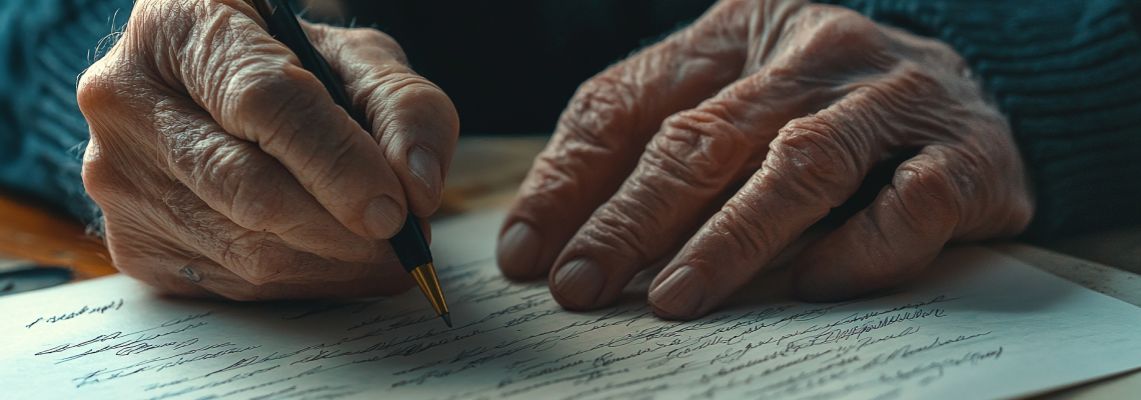
A handwritten will, also known as a "holographic will," refers to a last will and testament written entirely in the testator's own handwriting. People often turn to handwritten wills in emergency situations. For example, some might quickly write down who should receive their property if they are facing a sudden medical crisis. Others might write their own wills to save money or because they believe their estate is too small to justify hiring an attorney.
While the intention behind a holographic will is usually good, the execution often results in a tangled legal mess. Unlike a formal, typed will prepared by an attorney, a handwritten will typically lacks the standard legal language that probate courts look for. It might fail to name an executor, omit instructions for paying debts, or fail to specify what should happen to leftover assets. These missing pieces create major hurdles for the people left behind.
The Risks of Do-It-Yourself Estate Planning
When you write your own will, you open the door to several significant risks. The biggest problem with handwritten wills is ambiguity. Everyday language often translates poorly into legal directives. If you write, "I leave my house to my children," your intention can often be questioned. Do they own it equally? What if one child wants to sell the house and the other wants to live in it? What happens if one of your children passes away before you do?
Without clear, legally sound instructions, your family might end up fighting over your estate. These disagreements can lead to considerable disputes and drain your estate's finances through court intervention.
Another major risk involves forgotten assets. Most people remember to include their home and their bank accounts in a handwritten will. However, they frequently forget to include a "residuary clause," a legal catch-all provision that dictates what happens to any property not specifically mentioned in the document. If you forget to include a residuary clause, the court will distribute those forgotten assets according to North Carolina state intestacy laws, which means your property might go to someone you never intended to receive it.
Handwritten wills make the probate process much harder for your surviving family. The formal validation of a will prepared by an attorney is generally smooth. However, handwritten wills require additional scrutiny to verify their authenticity. This scrutiny can often delay probate, which can prevent your family from accessing the funds they might need for funeral expenses or daily living costs.
North Carolina Laws Governing Handwritten Wills
North Carolina law recognizes handwritten wills, but they must meet highly specific legal requirements to hold up in probate court. If a handwritten document fails to meet even one of these strict conditions, the court will declare it invalid.
According to state law, a holographic will must be written entirely in the testator's own handwriting. If any part of the document is typed or if another person writes down a few words on behalf of the testator, the court typically will not validate it, especially the portion or portions not hand-written by the testator. The document must also include the testator's signature.
To be considered valid, the handwritten will must be found after the testator's death in a "safe place." The law defines a safe place as among the testator's valuable papers, in a safe deposit box, or in the possession of a trusted person or institution who was specifically holding it for safekeeping. If someone finds the will stuffed in a junk drawer or among old magazines, the court might reject it.
Finally, while North Carolina does not require witnesses to be present when a person writes or signs a holographic will, the state does demand heavy proof after the testator dies. To validate the will in court, three separate individuals must testify that the will's handwriting is indeed the deceased's. Finding three people willing and able to testify in probate court can often be a heavy burden to grieving family members.
Given these legal hurdles, relying on a handwritten will is a massive gamble. The simplest way to protect your legacy is to sit down with a skilled estate planning attorney who knows how to draft a comprehensive, legally binding document.
Contact a Skilled Estate Planning Attorney in North Carolina Today
End-of-life planning is overwhelming. However, it's important to draft comprehensive documents that protect your assets and make sure they are distributed according to your wishes. Palmer Estate Planning is experienced in providing the insight you need to confidently address your estate planning needs, including meeting the provisions for a handwritten will.
Attorney Duffy Palmer is committed to helping you plan your estate for your loved ones and beneficiaries. With offices in Cary, Durham, Chapel Hill, Greensboro, and Wilmington, North Carolina, the firm serves clients throughout the state. Contact Palmer Estate Planning today to schedule a free consultation.